
Sustainable Interior Design: The Ultimate Guide to Eco-Friendly, Stylish, and Responsible Living Spaces

Sustainable Interior Design is the practice of creating spaces that are environmentally responsible, resource-efficient, and supportive of human wellbeing—without compromising on style or functionality. As climate concerns, resource scarcity, and health awareness continue to grow, both homeowners and designers are increasingly prioritizing Interior Design For Sustainability as a core design approach rather than an afterthought.
This shift reflects a broader movement toward Sustainable Living Spaces, where every design decision—from materials and finishes to layout and lighting—is made with long-term impact in mind. Today’s interiors are expected to do more than look good; they must also reduce environmental harm, improve indoor air quality, and support a more conscious lifestyle.
By merging aesthetics with environmental responsibility, Eco Conscious Interior Design proves that sustainability and beauty can coexist. Whether through the use of natural materials, energy-efficient solutions, or thoughtful space planning, sustainable interiors represent a smarter, more intentional way to design the spaces we inhabit every day.
What Is Sustainable Interior Design?
Sustainable Interior Design—also referred to as Interior Design For Sustainability—focuses on designing spaces using renewable, recyclable, and low-impact materials while minimizing environmental harm. It considers the entire lifecycle of products, from sourcing and manufacturing to usage and disposal.
This approach prioritizes durability, efficiency, and responsible consumption, ensuring that interiors are not only visually appealing but also environmentally sound. By integrating Sustainable Design Interior strategies, designers create spaces that reduce waste, conserve resources, and promote long-term sustainability without sacrificing comfort or style.
Why Sustainable Interiors Matter Today
Sustainable interiors matter now more than ever due to increasing environmental challenges and growing awareness of how indoor spaces affect our health. Eco Friendly Interior Design reduces carbon footprints by limiting waste, conserving energy, and using responsibly sourced materials.
Beyond environmental benefits, it also improves indoor air quality through non-toxic materials and better ventilation, creating healthier living environments. Over time, Sustainable Home Interiors can lower utility costs and maintenance expenses, making them a smart long-term investment. Ultimately, sustainable design supports both planetary health and personal wellbeing.
Core Principles of Sustainable Interior Design
To fully understand Design For Sustainability, it’s helpful to break it down into four core, non-overlapping principles. These pillars ensure a comprehensive and structured approach to creating Sustainable Interiors Design that are both functional and environmentally responsible.
Environmental Responsibility

Environmental responsibility focuses on reducing the negative impact of interior design on the planet. This includes minimizing waste, lowering carbon emissions, and conserving natural resources. Designers achieve this by selecting sustainable materials, reducing construction waste, and avoiding overconsumption.
By embracing Green Interior Design, spaces are created with a lighter ecological footprint while still maintaining high aesthetic and functional standards.
Material Lifecycle Thinking
Material lifecycle thinking considers how products are sourced, used, and eventually disposed of. Traditional “cradle-to-grave” models often result in waste, while sustainable approaches emphasize “cradle-to-cradle” systems where materials can be reused or recycled indefinitely.
This principle is central to Sustainable Design Practices, encouraging designers to choose durable, recyclable, and responsibly sourced materials that extend the life of a space and reduce environmental impact.
Energy & Resource Efficiency
Energy efficiency is a cornerstone of Sustainable Space Design. It involves reducing energy consumption through smart lighting choices, efficient HVAC systems, insulation, and passive design strategies such as maximizing natural light and airflow.
By optimizing how a space uses energy and resources, designers can significantly lower environmental impact while also reducing long-term operating costs for homeowners and businesses.
Human Health & Wellbeing
Sustainable interiors prioritize the health of occupants by improving air quality, increasing access to natural light, and using non-toxic materials. Low-VOC paints, natural fibers, and proper ventilation systems all contribute to healthier indoor environments.
Incorporating elements of Sustainable Living Design, such as biophilic features and natural textures, enhances mental wellbeing and creates spaces that feel more comfortable, balanced, and restorative.
Sustainable Materials and Finishes

Material selection is one of the most impactful aspects of Eco Design Interior. Choosing the right materials not only defines the look and feel of a space but also determines its environmental footprint and long-term performance.
Renewable and Natural Materials
Renewable and natural materials are essential to Sustainable Design Interior because they regenerate quickly and have minimal environmental impact. Materials such as bamboo, cork, and responsibly sourced wood are excellent choices due to their durability and renewability.
Natural stone, clay, and plant-based fibers also bring organic textures and timeless appeal to interiors while reducing reliance on synthetic products. These materials are often more breathable and contribute to healthier indoor environments.
By incorporating renewable resources, Sustainable Home Design supports ecosystems while creating spaces that feel authentic, warm, and long-lasting.
Reclaimed and Recycled Materials
Reclaimed and recycled materials play a critical role in reducing waste and conserving resources. Reclaimed wood, for example, can be repurposed for flooring, furniture, or wall features, adding character while preventing deforestation.
Recycled materials such as metal, glass, and plastic can be transformed into high-quality design elements without compromising aesthetics or durability. These choices support Interior Design For Eco Friendliness by diverting materials from landfills and reducing the need for new production.
Using reclaimed and recycled materials also introduces unique textures and history into a space, making each design more distinctive and meaningful.
Low-Toxic and Healthy Materials
Low-toxic materials are essential for maintaining healthy indoor environments. Many conventional paints, adhesives, and finishes release harmful chemicals known as VOCs (volatile organic compounds), which can negatively impact air quality and health.
Choosing low-VOC or zero-VOC paints, natural fabrics, and non-toxic finishes is a key component of Eco Conscious Interior Design. These materials reduce exposure to harmful substances while improving comfort and wellbeing.
By prioritizing healthier material choices, Sustainable Interiors Solutions create spaces that are safer, cleaner, and better suited for long-term living.
Energy Efficiency and Sustainable Space Planning
Energy efficiency and thoughtful Sustainable Space Planning are essential components of creating interiors that are both environmentally responsible and highly functional. Rather than relying solely on materials, this aspect of Sustainable Interior Design focuses on how a space performs—how it uses energy, how it flows, and how efficiently it supports everyday living.
By combining smart layouts with energy-conscious systems, designers can significantly reduce a space’s environmental impact while enhancing comfort and usability. From maximizing natural light to optimizing airflow and minimizing wasted square footage, Sustainable Space Design ensures that every element serves a purpose. The result is a space that feels intuitive, efficient, and aligned with modern sustainable living standards.
Lighting and Energy Optimization
Lighting plays a major role in energy consumption, making it a key focus in Eco Friendly Interior Design. Incorporating LED lighting significantly reduces energy usage compared to traditional bulbs while offering longer lifespans.

Equally important is maximizing natural daylight through strategic window placement, open layouts, and reflective surfaces. Window treatments such as blinds and drapery can regulate temperature and reduce reliance on artificial lighting and HVAC systems.
By combining artificial efficiency with natural light optimization, Sustainable Interiors Design creates brighter, more energy-conscious spaces that are both functional and visually appealing.
Passive Design Strategies
Passive design strategies leverage natural elements to regulate temperature, airflow, and lighting without relying heavily on mechanical systems. Orientation of the space plays a crucial role, allowing for optimal sunlight exposure throughout the day.
Proper insulation, thermal zoning, and cross-ventilation improve energy efficiency by maintaining indoor comfort while reducing heating and cooling demands. Strategic placement of windows and materials can further enhance airflow and temperature control.
These techniques are foundational to Sustainable Home Design, enabling spaces to operate efficiently while reducing long-term energy consumption and environmental impact.
Smart Space Planning
Smart Sustainable Space Planning focuses on creating efficient layouts that reduce unnecessary material use while improving functionality. By designing multi-functional spaces and minimizing unused areas, designers can lower resource consumption during both construction and daily use.
Open-plan layouts, flexible furniture, and thoughtful circulation paths contribute to better usability and adaptability. Efficient planning also reduces the need for future renovations, supporting long-term sustainability.
Ultimately, well-planned interiors enhance both performance and livability, making Interior Design Sustainable not just environmentally responsible, but also highly practical.
Sustainable Design Practices and Techniques
Beyond materials and layouts, Sustainable Design Practices focus on actionable strategies that reduce environmental impact while enhancing the character and longevity of a space. These techniques allow designers and homeowners to actively participate in Interior Sustainability, transforming everyday design decisions into meaningful contributions toward a more responsible future.
Upcycling and Adaptive Reuse
Upcycling and adaptive reuse are powerful strategies within Sustainable Interiors Solutions that extend the life of existing materials and furnishings. Instead of discarding items, designers can refurbish, repaint, or reupholster furniture to give it a new purpose and aesthetic.
Thrift sourcing, antique shopping, and repurposing materials from previous renovations reduce landfill waste and minimize the need for new production. Adaptive reuse can also apply to architectural elements, such as repurposing wood beams or fixtures.
These practices not only support Interior Design For Eco Friendliness but also add unique character, history, and authenticity to a space.
Biophilic Design Integration
Biophilic design is a key element of Sustainable Living Design, emphasizing the connection between indoor spaces and the natural environment. Incorporating natural light, indoor plants, water features, and organic materials like wood and stone enhances both aesthetics and wellbeing.
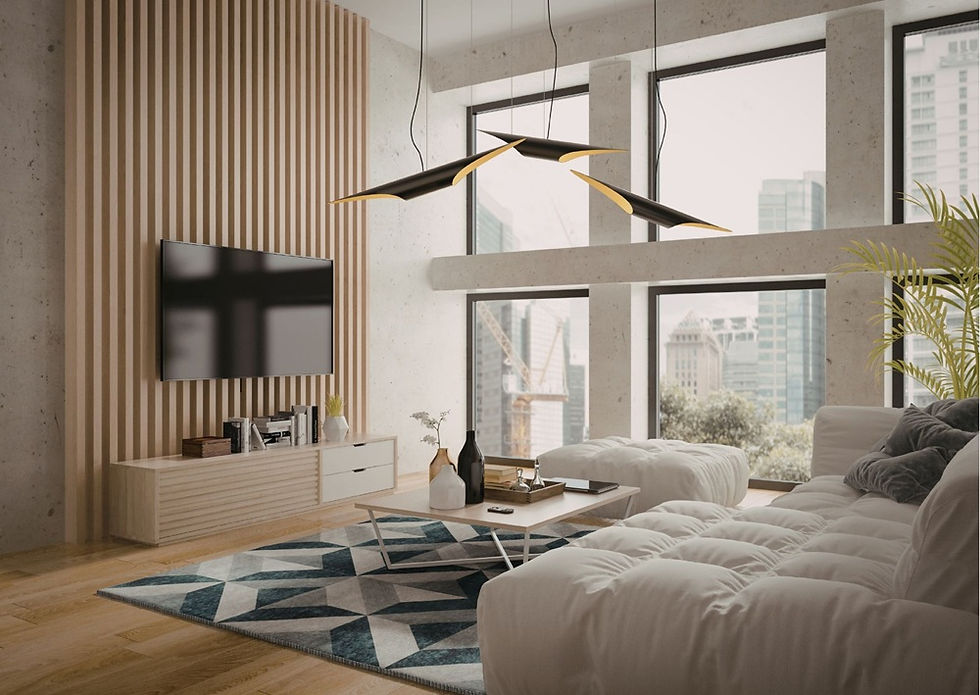
These elements help reduce stress, improve air quality, and boost productivity, making spaces more comfortable and restorative. By integrating nature into design, Eco Conscious Interior Design creates environments that support both human health and environmental awareness.
Supporting Ethical and Local Production
Choosing ethically produced and locally sourced materials is an important aspect of Green Interior Design. Supporting local artisans and manufacturers reduces transportation emissions and ensures better transparency in production practices.
Handcrafted furniture and decor often offer higher quality and longevity compared to mass-produced alternatives, aligning with the principles of durability and responsible consumption.
By prioritizing ethical sourcing, Sustainable Interior Decorating contributes to a more equitable and environmentally conscious supply chain.
Technology in Sustainable Interiors
Technology plays an increasing role in Sustainable Interior Architecture. Tools like 3D printing reduce material waste, while AR and BIM technologies improve design accuracy and planning. These innovations allow designers to visualize and optimize spaces before construction, minimizing errors, reducing waste, and enhancing overall sustainability outcomes.
Sustainable Interior Architecture & Large-Scale
Applications
Sustainability extends beyond individual homes into commercial, public, and large-scale environments through Sustainable Interior Architecture. These projects demonstrate how design can operate at a broader level—reducing environmental impact while creating functional, high-performance spaces that serve communities.
Adaptive Reuse in Modern Interiors
Adaptive reuse is a cornerstone of Sustainable Architecture, focusing on transforming existing buildings rather than constructing new ones. By repurposing structures, designers can significantly reduce construction waste, preserve resources, and maintain cultural or historical value.
Examples include converting office buildings into residential spaces or revitalizing outdated interiors with modern, sustainable upgrades. This approach not only supports environmental goals but also adds depth and narrative to the design.
Material Palette Optimization
Material palette optimization involves blending existing materials with new sustainable additions to reduce waste and maintain design integrity. Retaining elements such as flooring, structural features, or finishes minimizes demolition while preserving the character of a space.
This strategy aligns with Sustainable Design Concepts, ensuring that materials are used efficiently and thoughtfully without compromising aesthetics or performance.
Designing for Longevity and Flexibility
Designing for longevity and flexibility ensures that spaces can evolve over time without requiring major renovations. Modular layouts, adaptable furniture, and timeless design choices allow interiors to meet changing needs while reducing waste.
By prioritizing durability and adaptability, Sustainable Space Design creates future-proof environments that remain functional, relevant, and environmentally responsible for years to come.
Green vs Sustainable Interior Design
While often used interchangeably, Green Interior Design and Sustainable Interior Design are not exactly the same. Understanding the distinction is essential for anyone looking to implement true Design For Sustainability.
Green design typically focuses on reducing immediate environmental harm—such as lowering energy consumption or minimizing pollution—while sustainable design takes a broader, long-term approach. Sustainable Interiors Design considers not only how a space performs today, but how it impacts the environment over time through materials, systems, and lifecycle thinking.
By recognizing these differences, designers can move beyond surface-level improvements and create spaces that are both environmentally responsible and built for longevity.
What Is Green Interior Design?

Green Interior Design primarily focuses on reducing the environmental impact of a space through energy efficiency and eco-conscious choices. This includes using energy-efficient lighting, appliances, and systems, as well as minimizing waste during construction and operation.
The goal of green design is to lower carbon emissions and conserve resources in the short term. While it plays a crucial role in Eco Friendly Interior Design, it often emphasizes immediate performance improvements rather than the full lifecycle of materials and long-term sustainability.
What Is Sustainable Interior Design?
Sustainable Interior Design takes a more comprehensive approach by considering the entire lifecycle of materials, products, and systems. It focuses on durability, reuse, recyclability, and long-term environmental impact.
This approach integrates Sustainable Design Practices such as responsible sourcing, energy efficiency, and adaptability to create spaces that remain functional and relevant over time. By prioritizing longevity and holistic impact, Interior Design For Sustainability ensures that spaces are not only efficient today but continue to support environmental and human wellbeing in the future.
Benefits of Sustainable Home Interiors
Adopting Sustainable Home Interiors offers a wide range of benefits that extend beyond environmental responsibility. From reducing your carbon footprint to improving daily comfort and lowering long-term costs, Sustainable Interior Design creates spaces that are smarter, healthier, and more efficient.
Environmental Benefits
One of the most significant advantages of Eco Conscious Interior Design is its ability to reduce environmental impact. By using renewable, recycled, and responsibly sourced materials, sustainable interiors help conserve natural resources and minimize waste.
Energy-efficient systems further reduce greenhouse gas emissions, contributing to a smaller carbon footprint. Through Sustainable Design Interior strategies, homes can actively support environmental preservation while maintaining high design standards.
Health and Wellness Benefits
Interior Sustainability directly improves indoor living conditions by prioritizing healthier materials and better air quality. Low-VOC paints, natural textiles, and improved ventilation reduce exposure to harmful chemicals.
Access to natural light and the integration of biophilic elements enhance mood, productivity, and overall wellbeing. These features make Sustainable Living Spaces not only environmentally responsible but also more comfortable and supportive of daily life.
Economic Benefits
Although some sustainable upgrades may require an initial investment, they often lead to significant long-term savings. Energy-efficient lighting, appliances, and insulation reduce utility costs, while durable materials lower maintenance and replacement expenses.
By focusing on longevity and efficiency, Sustainable Interiors Solutions provide strong financial value over time, making them a practical choice for homeowners looking to balance cost and performance.
Conclusion: Designing a Better Future Through Sustainable Interiors
Sustainable Interior Design is no longer optional—it is essential. As environmental awareness continues to grow, the way we design our spaces must evolve to reflect a more responsible and forward-thinking approach.
By combining Eco Conscious Interior Design, smart material selection, and thoughtful planning, homeowners and designers can create interiors that are both visually compelling and environmentally sound. Every decision—from lighting and layout to materials and sourcing—plays a role in shaping more sustainable outcomes.
From Sustainable Living Spaces within homes to large-scale Sustainable Interior Architecture, these choices collectively contribute to a healthier planet and improved quality of life.
Adopting Sustainable Design Concepts today ensures that future generations inherit spaces that are not only functional and stylish but also balanced, efficient, and built to last.
Frequently Asked Questions About Sustainable Interior Design
What is the most important aspect of sustainable interior design?
The most important aspect of Sustainable Interior Design is lifecycle thinking. This means considering how materials are sourced, used, and eventually disposed of or reused. Choosing durable, recyclable, and responsibly sourced materials ensures long-term sustainability.
By focusing on the full lifecycle rather than short-term trends, Interior Design For Sustainability creates spaces that minimize environmental impact while maintaining functionality and aesthetic appeal over time.
How can I make my home more eco-friendly without renovating?
You can improve your home’s sustainability without major renovations by making small, impactful changes. Switch to LED lighting, incorporate natural fabrics, and choose furniture made from reclaimed or responsibly sourced materials.
Upcycling existing furniture and reducing unnecessary consumption are also effective strategies. These simple steps support Eco Friendly Interior Design while helping you create a more sustainable and efficient living space.
Are sustainable interiors more expensive?
Sustainable interiors can have a higher upfront cost, particularly when using high-quality, eco-friendly materials or energy-efficient systems. However, these investments often lead to lower maintenance costs, reduced energy bills, and longer-lasting products.
Over time, Sustainable Home Design proves to be more cost-effective, offering both financial savings and environmental benefits that outweigh the initial expense.
What are the best materials for eco-friendly interior design?
Some of the best materials for Eco Design Interior include bamboo, reclaimed wood, recycled metals, cork, natural stone, and organic textiles like cotton, wool, and linen. These materials are renewable, durable, and often recyclable.
By selecting these options, Interior Design For Eco Friendliness reduces environmental impact while maintaining high levels of quality and visual appeal.
How does sustainable design improve indoor air quality?
Sustainable design improves indoor air quality by eliminating or reducing harmful chemicals found in conventional materials. Low-VOC paints, non-toxic finishes, and natural materials limit the release of pollutants into the air.
Additionally, better ventilation and increased natural light contribute to healthier indoor environments. These strategies make Sustainable Living Design essential for creating spaces that support both environmental and personal health.


This is an informative post with practical details that beginners can understand easily. I like articles that explain technical topics without making them confusing. While researching router access, I also searched for 10.10 0.1, and learning how to identify the correct router address can help avoid login problems.
Love these sustainable interior design ideas! For clearer room photos taken with a smartphone, a phone moiré remover can help reduce unwanted patterns.
Before attempting a p999 game download, I think it is worth checking the source carefully. Making sure the software is intended for the device and verifying where the file comes from can help prevent compatibility issues and reduce the risk of installing something that is not what you expected.
Great read! I’m always interested in sneaker culture and basketball styles, and the Tops & Bottoms Nike collection has Jordan men's sneakers, men's high top Jordan sneakers, and classic Jordan basketball sneakers worth exploring.
I was initially interested in trying Yaar Win, but my experience was disappointing. The application interface looked fine, but I faced several delays while moving between pages. On one occasion, the app also required me to yaar win restart it before everything started working normally again. Support was available, although the response took some time. Because of these technical issues, I would rate my experience as poor. Anyone trying it should avoid rushing into payments and should understand the platform conditions beforehand.