
Space Planning: Designing Smarter Layouts for Homes, Offices, and Commercial Spaces
Updated: Oct 1
What Is Space Planning & Why It Matters
Space planning is the strategic foundation of every well-designed interior. While furniture, finishes, and décor are often what people notice first, it is space planning that determines whether a space actually functions. At its core, space planning is the structured process of organizing space, defining layout, and intentionally planning how people move, work, and live within an environment. It translates real-world behaviors and needs into a thoughtful spatial framework that supports both usability and comfort.
Unlike decorating, which focuses primarily on visual elements and style, space planning addresses how a space works before how it looks. Decorating can enhance a room, but without proper planning, even the most beautiful interiors can feel awkward, cramped, or inefficient. Space planning considers room dimensions, circulation paths, furniture scale, zoning, and flow to ensure that each element supports the intended use of the space rather than obstructing it..
Effective space planning directly impacts functionality, comfort, and long-term space management. It helps prevent overcrowding, improves movement and accessibility, and ensures that square footage is used efficiently rather than wasted.
These principles apply universally, whether in home space planning, where comfort and lifestyle are priorities; office space planning, where productivity and collaboration matter; or commercial space planning, where customer flow and operational efficiency drive success. In every context, thoughtful space planning creates interiors that feel intuitive, balanced, and effortless to use.
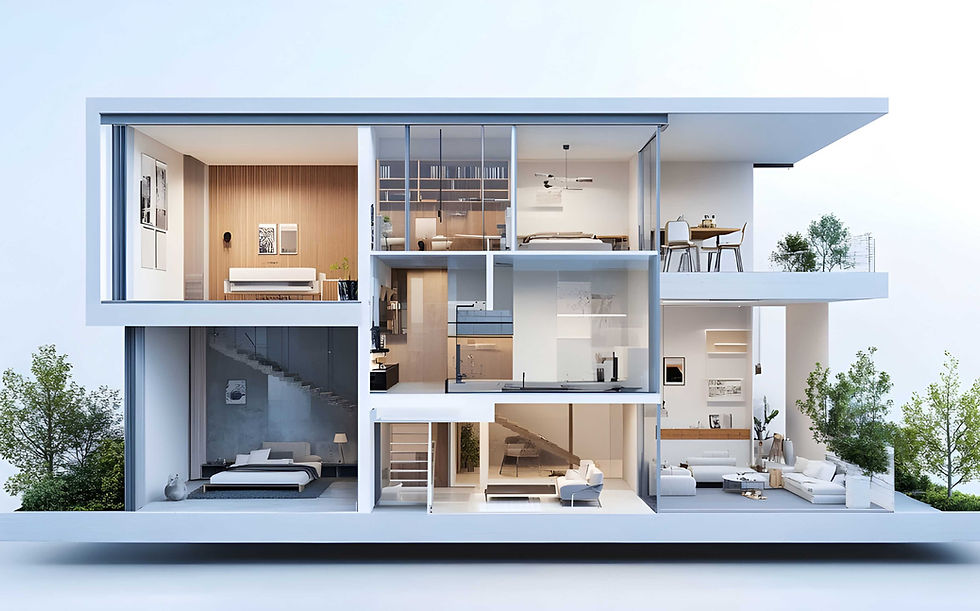
The Core Principles of Space Planning
Effective space planning is guided by a set of core principles that apply across all environments, from residential interiors to offices and commercial spaces. These principles are non-negotiable because they determine whether a space simply looks appealing or truly functions well over time. When applied together, they create layouts that feel intuitive, balanced, and easy to use—often without occupants consciously noticing why.
Function-First Planning
At the heart of space planning Interior Design Boston is a function-first mindset. This principle prioritizes how a space will actually be used before any aesthetic decisions are made. Every room serves one or more purposes, and effective planning begins by clearly identifying those activities, behaviors, and daily routines. Whether it’s cooking, working, relaxing, collaborating, or hosting, the space layout must support real-life use rather than forcing people to adapt to poor design.
Functional zoning plays a key role in this process. By organizing space into clearly defined zones based on activity, planners create order and clarity within an interior. This approach improves space organization, reduces friction between competing uses, and ensures that each area supports its intended function efficiently.
Flow, Circulation & Accessibility
Flow refers to how people move through a space, and it is one of the most critical yet often overlooked aspects of space planning. Thoughtful circulation planning considers traffic patterns, movement paths, door swings, and clearances to ensure smooth, unobstructed movement between zones.
In both residential and workspace planning, good circulation prevents bottlenecks, reduces wasted space, and improves overall comfort. Clear pathways make spaces feel larger, calmer, and more intuitive to navigate. Accessibility is also essential, ensuring that spaces accommodate a wide range of users and needs without compromising functionality or safety.
Balance, Scale & Proportion
Balance, scale, and proportion determine how elements relate to one another within a space. Furniture sizing must be appropriate for the room’s dimensions, ceiling height, and circulation requirements. Oversized pieces can overwhelm a layout, while undersized elements can make a space feel sparse or unfinished.
Effective space planning avoids both overcrowding and underutilization by carefully managing these relationships. Visual balance—achieved through thoughtful placement, spacing, and proportion—creates interiors that feel cohesive, comfortable, and intentional, reinforcing both function and design harmony.

The Space Planning Process (Step-by-Step)
Successful space planning follows a structured, methodical process. Rather than relying on guesswork or visual preference alone, this framework ensures that every design decision is grounded in function, efficiency, and long-term usability. By working through each step intentionally, planners can create space plans that feel intuitive, adaptable, and well balanced across a wide range of interior environments.
Step 1 – Measure & Analyze the Space
Every effective space plan begins with accurate measurement and analysis. This step involves documenting exact room dimensions, ceiling heights, door and window locations, and any fixed elements such as columns, fireplaces, built-ins, or mechanical systems. These constraints define what is physically possible and prevent costly planning errors later in the process.
Beyond measurements, this stage also considers architectural and environmental factors. Natural light, views, ventilation, and circulation entry points all influence how a space should be organized. Understanding these conditions early allows planners to work with the space rather than against it, forming a reliable foundation for all subsequent layout decisions.
Step 2 – Define Zones & Space Arrangement
Once the space is fully understood, the next step is functional zoning. Zoning organizes the interior into areas based on use, such as living, working, dining, storage, or circulation. In larger or open-plan environments, zoning helps establish order without relying on walls.
Adjacency planning plays a key role here, determining which zones should be close together and which should remain separate. Public, private, and support spaces are clearly distinguished to improve flow and usability. This logical space arrangement ensures that activities complement rather than interfere with one another, forming the structural backbone of the space plan.
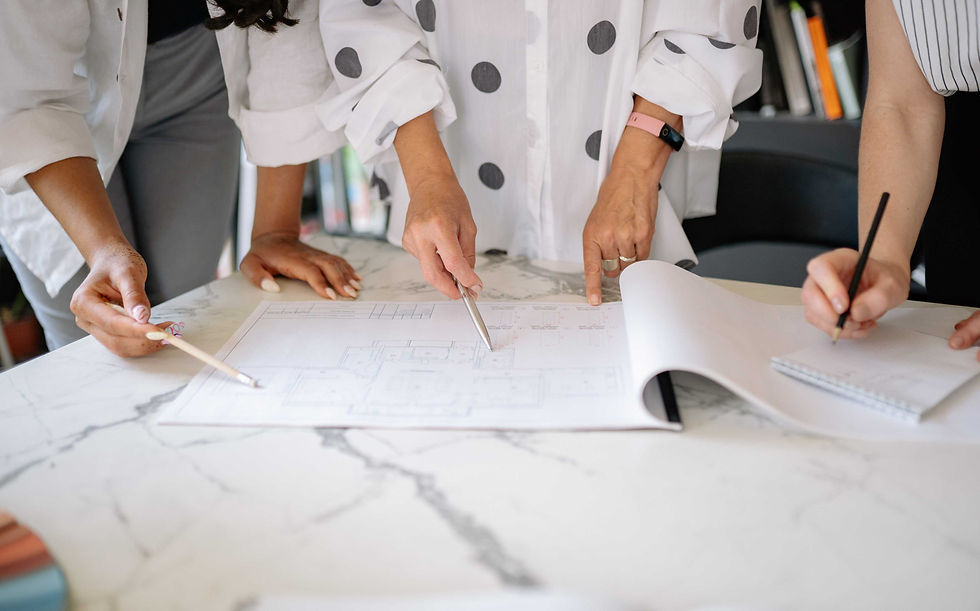
Step 3 – Layout Planning & Furniture Placement
Layout planning translates zoning concepts into physical arrangements. During this step, furniture and key elements are tested in multiple configurations to evaluate how the space functions in real use. Scale, ergonomics, and clearance standards are carefully reviewed to ensure comfort, accessibility, and ease of movement.
This phase helps prevent common layout planning mistakes such as overcrowding, blocked pathways, or furniture that overwhelms the room. By visualizing and refining layout options, planners can identify the most efficient and balanced solution before implementation.
Step 4 – Refine for Flexibility & Growth
The final step focuses on adaptability and future-proofing. Spaces should be able to evolve as needs change, whether that means accommodating new technology, growing households, or shifting work patterns.
Flexible zoning, modular furniture, and multi-purpose layouts allow a space to remain functional over time without major redesigns. Planning for growth ensures that the space plan continues to support users long after initial installation, making flexibility a critical component of effective long-term space planning.

Space Optimization & Space Utilization Strategies
Maximizing usable space isn’t about squeezing more into a room—it’s about making smarter decisions so every square foot serves a purpose. Effective space optimization balances functionality, comfort, and visual clarity, ensuring that spaces feel efficient without becoming crowded. These strategies apply across residential, office, and commercial interiors and are essential for long-term space management.
Smart Furniture & Multi-Functional Design
One of the most effective ways to improve space utilization is through smart furniture selection. Dual-purpose furniture—such as storage ottomans, extendable tables, sofa beds, or modular seating—allows a single element to serve multiple functions without increasing visual clutter. This is especially valuable in smaller homes, flexible workspaces, and high-traffic environments.
Built-in storage and adaptable elements further enhance space optimization. Custom cabinetry, benches with concealed storage, and integrated shelving reduce the need for additional furniture while keeping essentials easily accessible. By selecting pieces that work harder within the layout, planners can maintain openness while still meeting functional needs.

Vertical Space & Storage Planning
Vertical space is often underutilized, yet it offers significant opportunities for space organization. Wall-mounted shelving, tall cabinetry, and overhead storage solutions free up valuable floor space and improve circulation. Using height strategically allows planners to increase storage capacity without compromising movement or comfort.
Effective vertical planning also plays a key role in reducing clutter. When items have designated, accessible storage locations, surfaces remain clear and spaces feel calmer and more intentional. Thoughtful storage planning supports long-term organization and prevents the gradual buildup that leads to inefficient, overcrowded layouts.
Visual Space Optimization
Visual strategies can dramatically impact how large or small a space feels, regardless of its actual square footage. Light color palettes reflect natural and artificial light, making interiors feel brighter and more open. Mirrors and reflective surfaces amplify light and create the illusion of depth, while glass and transparent materials maintain visual continuity between zones.
Understanding the difference between perceived space and physical space is critical. A well-planned interior may not gain square footage, but it can feel significantly more spacious through intentional visual design choices that complement the overall space layout.
Technology & Digital Space Planning Tools
Modern space planning increasingly relies on digital tools to improve accuracy and decision-making. Space planning software and visualization platforms allow planners to test layouts, simulate movement, and analyze space utilization before implementation. Data-driven space planning solutions also help identify underused areas, optimize occupancy, and support flexible workspace strategies, particularly in office and commercial environments.

Common Space Planning Mistakes to Avoid
Even well-intentioned designs can fail when fundamental space planning principles are overlooked. Avoiding these common mistakes helps protect both budget and long-term usability.
Overcrowding & Poor Scale Choices
Overcrowding occurs when too much furniture is introduced without adequate consideration of scale and circulation. Oversized pieces can dominate a room, restrict movement, and create visual chaos, while undersized furniture can leave spaces feeling disconnected or unfinished. Proper scaling ensures balance between furnishings and open space, allowing the layout to breathe and function comfortably.
Ignoring Lighting, Power & Infrastructure
Lighting and electrical planning are often treated as afterthoughts, leading to dark zones, poorly placed outlets, or awkward furniture arrangements. Effective space planning accounts for natural and artificial lighting, power access, and technology needs early in the process. Ignoring these elements can result in costly revisions and compromised usability.
Rigid Layouts with No Flexibility
Spaces that are designed too rigidly struggle to adapt as needs change. Fixed layouts may work initially but quickly become inefficient as households grow, teams evolve, or technology shifts. Incorporating flexibility through modular furniture, movable elements, and adaptable zoning ensures that a space remains functional and relevant over time.
Conclusion: Why Space Planning Is the Foundation of Great Design
At its core, space planning is the backbone of successful interior space planning and layout planning. Before colors are chosen or furniture is styled, organizing space thoughtfully ensures that an interior will function as intended—not just on day one, but for years to come. When planning is overlooked or rushed, even the most visually appealing designs can feel uncomfortable, inefficient, or difficult to use.
Effective space planning prioritizes how people live, work, and move within a space. By addressing function, flow, and space utilization first, designers create environments that support daily routines, improve comfort, and reduce long-term frustration. This approach leads to better outcomes across residential interiors, office environments, and commercial spaces alike, where usability and efficiency directly impact satisfaction and performance.
A well-designed space plan balances beauty with purpose. It aligns aesthetics with real-world needs while remaining flexible enough to adapt as those needs evolve. When space planning is done right, design feels effortless—creating interiors that are not only attractive, but intuitive, enduring, and genuinely enjoyable to use
Frequently Asked Questions About Space Planning
What is space planning in interior design?
Space planning in interior design is the process of organizing space, defining layout, and arranging elements to support how people move, live, and work within an environment. It focuses on function and flow first—using accurate measurements, zoning, and layout planning to ensure the space works before aesthetic decisions are layered on.
Why is effective space planning important?
Effective space planning prevents common issues like overcrowding, awkward circulation, and wasted square footage. By prioritizing usability and flow, it improves comfort, accessibility, and long-term space management. Well-planned spaces feel intuitive to use and are easier to adapt as needs change.
What’s the difference between space planning and interior design?
Space planning is a foundational component of interior design, but they are not the same. Space planning determines how a space functions—layout, circulation, and zoning—while interior design builds on that framework through finishes, furniture, lighting, and décor. Without proper planning, design choices can unintentionally hinder usability.
How does space planning improve space utilization?
Space planning improves space utilization by assigning clear purposes to each area, optimizing circulation, and reducing underused or inefficient zones. Through smart layout decisions, multi-functional elements, and storage planning, spaces can do more without feeling cluttered or cramped.
What is included in a professional space plan?
A professional space plan typically includes scaled floor plans, zoning diagrams, furniture layouts, circulation paths, and clearance considerations. It accounts for fixed architectural elements, lighting access, and functional adjacencies to ensure the space performs well in real-world use.
How does office space planning improve productivity?
Office space planning improves productivity by supporting focus, collaboration, and efficient movement. Thoughtful workspace planning reduces distractions, improves access to resources, and creates environments that align with how teams actually work—whether in open, hybrid, or private settings.
Can space planning help small spaces feel larger?
Yes. Through strategic layout planning, smart storage, and visual techniques like light color palettes and clear sightlines, space planning can significantly increase the perceived size of a space, even when square footage remains the same.
When should you hire space planning services?
Space planning services are especially valuable for renovations, new builds, offices, commercial spaces, or when a space feels inefficient but the problem isn’t obvious. Professional planning helps avoid costly mistakes and ensures long-term functionality.


Đang có chuyến công tác ngắn ngày dùng gói data chuyển vùng dung lượng khá hạn chế, mình vào thử LLWIN để kiểm tra mức độ ngốn lưu lượng mạng. Khá bất ngờ khi các khối thông tin thể thao, phòng chơi trực tuyến live casino cho tới mảng đồ họa slot đều nạp rất tiết kiệm data trong mỗi sảnh game. Nền tảng xây dựng bố cục hợp lý nên không tải thừa các banner nặng, anh em hay đi nước ngoài cho mình xin thêm đánh giá về độ ổn định nhé.
Great insights on creating smarter, more functional layouts. An AI image upscaler can also help make interior design photos and floor plan images clearer without losing important details.
Thấy bạn bè nhắc nhiều https://jun88sr.com/ nên mình vào lướt thử. Giao diện nhìn khá thoáng, chữ và từng phần nội dung được chia rõ nên xem nhanh không bị rối mắt. Mấy heading lớn cũng giúp nắm ý chính khá nhanh. Tổng thể bố cục gọn, các mục sắp xếp dễ theo dõi và click qua lại cũng khá mượt.
Came across this article via https://pokiesinfo.com, and your point about circulation paths explained why my living room feels cramped despite being fairly large. Once I moved the sofa away from the walkway, the whole space opened up without any major changes.
tài xỉu fly88 tình cờ xuất hiện khi mình đang đọc một bài tổng hợp các nguồn tham khảo trên mạng. Mình vốn chỉ tìm thông tin khác, nhưng thấy cụm này nằm ở phần liên quan nên mở thêm một tab xem thử. Trang tải khá ổn, phần đầu không có quá nhiều chi tiết và các khu vực nội dung được tách tương đối rõ. Mình kéo xuống một vòng, xem thử vài tiêu đề rồi quay lại trang trước. Không dành nhiều thời gian nghiên cứu nhưng cách trình bày khá trực quan, nhìn lướt vẫn nhận ra được những phần chính mà không phải bấm qua quá nhiều bước.