
Victorian House Interior: The Ultimate Guide to Timeless Elegance in Your Home
There's something undeniably captivating about the Victorian home. Whether you live in a beautifully preserved terraced house in the city or a charming rural cottage, Victorian house interior design carries with it a sense of drama, elegance, and personality that no other style can quite replicate. Em
erging during Queen Victoria's reign from 1837 to 1901, Victorian style interiors are a rich blend of Gothic Revival, Italianate, and Queen Anne influences — ornate, layered, and wonderfully expressive.
The good news? You don't need a 19th-century property to bring Victorian inspired design into your space. Whether you're restoring original Victorian architecture or weaving classic Victorian decor into a contemporary home, this guide covers everything you need to know. From color palettes and wall treatments to Victorian furnishings and bathroom design, we'll walk you through the key ideas that define Victorian interiors — and show you how to make them work beautifully in your home today.
What Makes a Victorian House Interior Unique?
Ask most people what comes to mind when they picture a Victorian house interior, and they'll conjure something rich and layered — dark paneled walls, an ornate fireplace crackling at the center of the room, heavy velvet curtains pooling onto a tiled floor, and a ceiling decorated with plasterwork that could have taken weeks to cast. That instinct is essentially correct, but it only scratches the surface of what makes Victorian interior design so distinctive — and so endlessly adaptable.

A Brief History of Victorian Architecture
The Victorian era spans Queen Victoria's reign from 1837 to 1901 — a period of remarkable social, technological, and cultural upheaval that left its imprint on almost every building constructed during those six decades. Victorian architecture represented a conscious and exuberant departure from the restraint of the Georgian period that preceded it, embracing ornate detailing, eclectic influences, and a spirit of invention that touched everything from structural engineering to decorative art.
In cities, the dominant Victorian building form was the terraced house — rows of homes constructed in a consistent style along a residential street, built upward rather than outward to maximize housing for a rapidly expanding urban population. This practical solution to population growth created the distinctive urban streetscapes that still define cities like London, Manchester, and Bristol today. Urban areas in the UK grew by 25% between 1841 and 1851 alone, and terraced housing was the primary engine of that expansion.
In the countryside, Victorian buildings took a very different character. Victorian cottages — with their picturesque gable roofs and romantic appeal — and grand rural Victorian manors built in brick with Gothic references (pointed windows, roofs, and spires) expressed the era's love of drama and historical allusion in a more expansive way.
The era was also one of mass production. For the first time, architectural elements — cornicing, ceiling roses, fireplace surrounds, floor tiles, stair balusters — could be manufactured and distributed at scale. This is precisely why so much Victorian furniture and interior detail survives today, and why it remains relatively accessible to modern buyers.
Key Characteristics of Classic House Interior in the Victorian Style
What unifies Victorian rooms across their enormous range — from a modest two-bedroom terrace to a grand west London townhouse — is a commitment to layered richness and crafted detail. No surface was left bare. No room was considered complete without its particular contribution to the whole. Victorian interiors are, in this sense, the opposite of minimalism: they are maximalist by conviction, not by accident.
The defining internal features of a classic Victorian house interior include:
Ornate fireplaces as the dramatic focal point of every principal room — cast iron or marble, with decorative surrounds and tiled insets
Wooden paneling and wainscoting (the Dado paneling technique) introducing natural materials and visual structure to walls
Decorative cornicing and ceiling roses adding architectural grandeur overhead — even modest terraces typically retain these features
Tiled floors in characteristically deep tones — dark red, black, and cream geometric patterns — particularly in hallways and entrance vestibules
Large sash windows, made possible by the introduction of plate glass following the Georgian period, flooding rooms with natural light despite the richness of the decoration
As architectural historian Oliver Gerrish memorably describes it, Victorian domestic architecture is best understood as "Georgian in proportion but with a load of icing on top." That observation captures the essential tension at the heart of Victorian house design: the underlying structure is measured and classical, while everything applied to it — the plasterwork, the ironwork, the wallpaper, the fabrics — is unabashedly expressive. Restrained bones. Exuberant decoration. That productive contrast is the essence of Victorian interior design, and it's why the style lends itself so naturally to mixing old and new.
Decorating Victorian House — Where to Begin
Walking into a Victorian property for the first time — whether you've just bought it, just inherited it, or are simply dreaming about what it could become — can feel simultaneously exciting and overwhelming. There's so much potential, and so much history embedded in the walls, the floors, the ceilings. The question is: where do you actually start?
The answer, most designers and architectural historians agree, is the same whether you're working with a perfectly preserved terrace or a stripped-out shell that was carved into bedsits and modernized beyond recognition: start by understanding what you have. Before a single pot of paint is opened or a piece of furniture purchased, take the time to read the building. Walk through every room. Look up, look down, look at the corners. What original features survive? What's been covered up? What's been lost entirely and would need to be reinstated?
That initial audit is the foundation of every successful Victorian house interior project — and it shapes every decision that follows.
Embrace the Eclectic Approach
One of the most liberating aspects of decorating a Victorian house is that the style itself is inherently eclectic. This isn't a design tradition that demands rigid adherence to a single period or look. The Victorians were great travelers, curious collectors, and enthusiastic adopters of influences from across Europe, the Far East, the Gothic Revival, and the classical world. Their interiors reflected all of it — and that eclecticism is your license to do the same.
Don't feel constrained to source every piece from the 19th century or to create a museum-like reconstruction of a period room. Some of the most celebrated Victorian house interiors today are those that mix confidently across eras: a sleek contemporary kitchen extension opening off an original Victorian reception room; a mid-century armchair beside a cast iron fireplace; a bespoke modern sofa upholstered in a William Morris print. When handled with care, these combinations don't fight each other — they create exactly the layered, personal quality that Victorian interiors have always celebrated.
Victorian furniture itself makes this easier than you might think. It is — as architectural historian Oliver Gerrish notes — "easy and cheap to buy, durable and generally well-made." Auction houses, antique fairs, reclamation yards, and second-hand platforms are full of genuine Victorian pieces at accessible prices.
A Victorian reading chair, a roll-top desk, a gilt-framed mirror, or a button-backed armchair can shift the entire character of a room with a single purchase. Don't be afraid to experiment with colorful, rich fabrics in the upholstering of these pieces — silks and velvets are entirely in keeping with the period and give Victorian furnishings a freshness that plain neutral linen cannot.
Decide What to Restore and What to Reinvent
Once you've understood what the building contains, the next decision is what to do with it — and that breaks down into three distinct categories: restore, reinstate, or reinvent.
Restore what's original wherever you can. Original cornicing, ceiling roses, cast iron fireplaces, encaustic tiled floors, and sash windows are worth significant effort and investment to preserve. They're the authentic bones of Victorian architecture, they're increasingly hard to replicate exactly, and they add both character and value that no amount of new furniture can substitute for. Where plasterwork has blown or been damaged, a specialist plasterer can often repair or recast from existing sections. Where original floorboards survive beneath carpet, they're almost always worth exposing.
Reinstate what's been lost. Many Victorian properties had their period features stripped out during mid-20th century renovations — fireplaces removed, cornices hacked off, dado rails ripped away in the pursuit of a cleaner, more modern look. These features can be reinstated relatively affordably. Dado rails, decorative coving, period-appropriate encaustic tiles, and reproduction cast iron fireplace surrounds are all widely available. For larger-scale reinstatement, consult an architectural salvage specialist — original Victorian fireplaces, doors, stained glass panels, and floor tiles are frequently available through salvage yards and reclamation dealers.
Reinvent with intention where neither restoration nor reinstatement is appropriate. Some of the most striking Victorian house interiors are those that lean deliberately into contrast — stripped brickwork where plaster has been lost becomes an industrial feature wall; reclaimed timber beams exposed in a kitchen extension become a design statement. Designer Maria Speake of Retrovirus, whose work frequently involves Victorian properties, has shown how stripped-back, reclaimed approaches can produce spaces of enormous warmth and character. The key is that every decision feels considered, not accidental. A raw or unfinished element can be beautiful if it's clearly intentional — it fails when it simply looks like something that hasn't been finished yet.

Working with a Period Specialist
If your Victorian property is listed, or if you're undertaking significant structural or restorative work, it's well worth consulting an architectural historian or period specialist before you begin.
They can identify which features are original to the building, advise on what materials and techniques are appropriate for the era and style of your home, and help you navigate any planning or listed building consent requirements. Even for unlisted properties, a specialist survey early in the project can save considerable time, money, and regret — it's far easier to save a piece of original cornicing than to recast it later.
Victorian Interior Color Palettes and Wall Treatments
If there is one area of Victorian house interior design that intimidates modern homeowners more than any other, it's color. We've spent several decades being told that white walls are safe, that neutral palettes are timeless, and that restraint is sophistication.
The Victorian interior disagrees — loudly, beautifully, and with tremendous confidence. Getting color right in a Victorian home isn't about being reckless. It's about understanding what the style is actually doing, and trusting the process.
The good news is that Victorian color is not as complicated as it first appears. It follows its own internal logic, and once you understand that logic, the choices become surprisingly intuitive.
Jewel Tones, Rich Hues, and the Victorian Color Story
The Victorian era's relationship with color was transformed by one of the period's greatest technological leaps: the development of synthetic dyes and pigments from the 1850s onwards. For the first time, deep, saturated colors — crimsons, emeralds, sapphires, amethysts — could be produced reliably and affordably, and the Victorians used them with extraordinary enthusiasm.
The result was a color vocabulary quite unlike anything that had come before. Victorian decor favored jewel tones as its primary palette: deep ruby reds, forest and bottle greens, rich navy and Prussian blues, warm amber golds, and dense burgundy and claret. These weren't accent colors dropped sparingly into a neutral room — they were the room. Walls, woodwork, upholstery, and curtains were all part of a single, intentionally rich and enveloping composition.
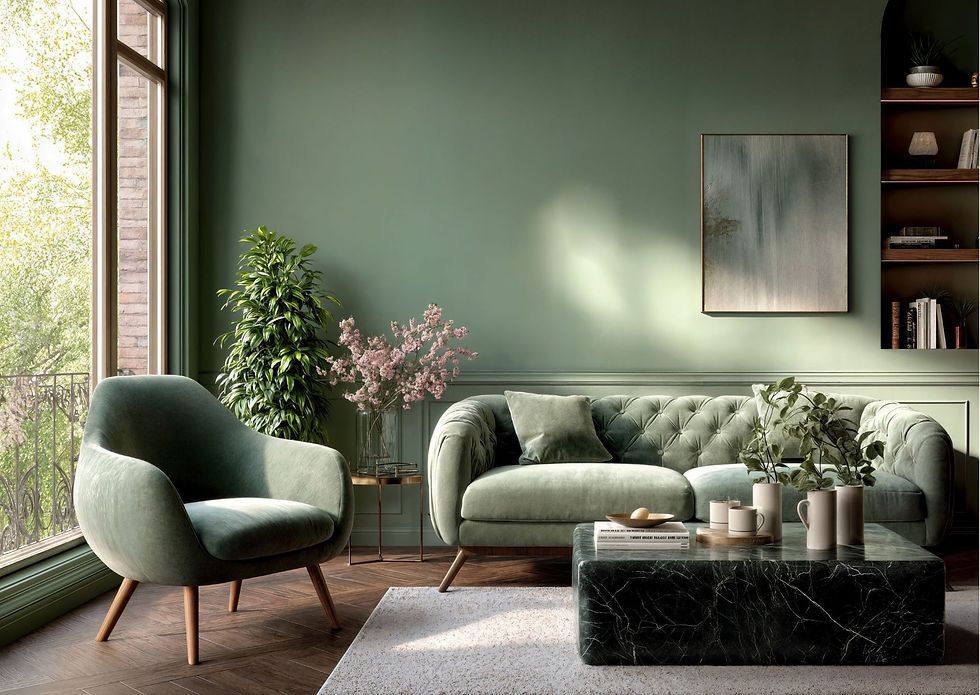
For a contemporary Victorian home interior, this palette translates beautifully. Consider deep teal or peacock blue in a study or home office — a color that reads as both historic and thoroughly modern. Rich terracotta or burnt sienna works exceptionally well in a hallway, where it creates warmth and drama from the moment you enter the house. Warm claret or burgundy in a dining room gives the space a sense of ceremony and candlelit intimacy that no neutral shade can replicate.
Deep forest or olive green — long a staple of Victorian design — has experienced a significant contemporary revival, and for good reason: it sits harmoniously against both natural timber and white plasterwork.
What unites all of these choices is depth. Victorian colors are never thin, flat, or cool. They have body and warmth; they change as the light moves across the day, looking entirely different in morning sun than they do by lamplight in the evening. That quality — the way a deep, pigment-rich color lives in a room — is central to what makes Victorian style interiors feel so alive.
For those who find full jewel-tone walls too bold a starting point, heritage neutrals offer a more gradual entry point. Chalky pinks, warm stone, aged cream, dusty sage, and soft ochre all fall within the Victorian color tradition — these were the tones used in bedrooms and dressing rooms, where a more restful atmosphere was desired. The key distinction from modern neutrals is that Victorian heritage tones always carry warmth. A Victorian cream has a yellow or pink undertone. A Victorian white is never brilliant or blue-tinged. If a color looks clinical, cold, or contemporary, it's not reading as Victorian.
Wallpaper and Wall Coverings — Pattern as Architecture

Wallpaper wasn't merely decorative in the Victorian interior — it was structural. In the absence of the plain plasterwork we default to today, patterned wall coverings were the primary means of giving a room its character, scale, and visual rhythm. To walk into a properly papered Victorian room is to understand immediately that the walls are doing significant work.
The Victorian wallpaper tradition is broad and eclectic, reflecting the era's love of historical and exotic reference. Gothic damask patterns — dense, symmetrical, and often in deep jewel tones against a darker ground — were popular throughout the period. Botanical prints, inspired by the Victorian passion for natural history, brought lush florals and foliage into the interior.
The Arts and Crafts movement, championed by William Morris from the 1860s onwards, introduced a more organic, hand-crafted sensibility to wallpaper design: flowing botanical repeats, stylized birds and leaves, flat pattern and natural dyes. Morris's designs remain among the most recognizable and widely reproduced Victorian-era wallpapers today, and they sit as authentically in a 21st-century interior as they did in a 19th-century one.
For modern applications, you don't need to paper an entire room to capture this quality. Some of the most effective contemporary uses of Victorian wallpaper involve papering a single surface: a chimney breast above a fireplace, an alcove on either side of it, or the upper section of a wall above the dado rail. This approach introduces pattern and period character without overwhelming a room — particularly useful in smaller spaces where a fully papered interior might feel oppressive.
Where original Victorian wallpaper borders survive (a rare but not impossible discovery during renovation), they're worth preserving or carefully restoring. Where they don't, reproduction border papers can be used to define the transition between the papered upper wall and the painted or paneled lower wall — a detail that reads as both authentic and considered.
Dado Rails, Paneling, and the Art of the Divided Wall
One of the most distinctively Victorian approaches to interior wall treatment is the horizontal division of the wall surface into distinct zones — and understanding this system is one of the single most effective tools available to anyone decorating a Victorian house.
The traditional Victorian wall was divided into three horizontal registers. The dado — the lower section, typically from skirting board to roughly hip or waist height — was usually paneled in timber (wainscoting) or finished in a robust painted surface, often in a deeper or contrasting tone to the wall above. The field — the main, middle section of the wall — was typically where wallpaper or the primary paint color appeared. The frieze — the narrow band between the top of the field and the cornice — was sometimes treated separately, with a decorative border, a contrasting color, or a patterned frieze paper.
This tripartite system wasn't arbitrary. It served a practical purpose — protecting the lower wall from scuffing and wear — but it also had a profound visual effect. By dividing the wall vertically, it gave rooms a sense of human scale and proportion that bare, undivided walls lack. It created a layered, composed quality that is immediately recognizable as Victorian, and it provided a framework within which multiple colors, materials, and patterns could coexist without conflict.
For modern application, reinstating a dado rail alone — even without full paneling below it — goes a significant way toward recovering this quality. Paint the lower section in a deeper shade of your wall color, or in a contrasting tone. Use this lower register to introduce the woodwork color, which should run consistently through the skirting, architraves, window reveals, and door frames throughout the house.
Choosing Paint for Victorian Woodwork and Walls
The woodwork of a Victorian house — skirting boards, dado rails, architraves, window frames, paneling — deserves as much consideration as the walls themselves. In an authentic Victorian interior, woodwork was rarely painted brilliant white. More commonly, it was painted in an off-white, a warm stone, a deep greyed green, or occasionally in a rich dark tone — almost black — that made the wall color sing by contrast.
Heritage paint ranges from brands such as Farrow & Ball, Edward Bulmer Natural Paint, and Little Greene offer extensive palettes calibrated to the Victorian period, with pigments and bases that replicate the chalky, light-absorbing quality of historic paint. These behave differently from modern emulsions: they're less shiny, more textural, and they reward generous application. One shade that recurs across many Victorian house interiors featured in design publications is a warm, dusty pink — Edward Bulmer's 'Cuisse de Nymphe Emue' being a notable example — for bathrooms and bedrooms where a softer but still characterful tone is wanted.
When in doubt about paint selection for a Victorian interior, test large samples in situ over at least forty-eight hours, observing the color in both natural daylight and artificial evening light. Victorian colors change dramatically between these two conditions — that responsiveness to light is a feature, not a flaw.

Victorian Furnishings — How to Style Victorian Rooms
If Victorian color is about confidence, and Victorian architecture is about craft, then Victorian furnishings are about accumulation — the slow, deliberate layering of objects, textiles, furniture, and light that gives a room its sense of depth and personality. A Victorian room is never finished in a single purchase or a single afternoon.
It builds over time, through considered choices and happy accidents, until it achieves that quality that period interiors do better than any other style: the feeling that a room has been lived in, loved, and added to by real people across real years.
Understanding how to create that quality — deliberately, in a modern context — is what this section is about.
Choosing and Mixing Victorian Furniture
Victorian furniture is one of the great underrated pleasures of the antiques market. It is, as those who know it well will tell you, abundant, robust, beautifully made, and — compared to almost any other period — remarkably affordable. The mass production of the Victorian era meant that high-quality furniture was produced in enormous quantities, and much of it has survived in excellent condition. Auction houses, reclamation yards, antique fairs such as the Decorative Art & Antiques Fair at Battersea, and online platforms are all rich sources.
The defining character of Victorian furniture is its commitment to craftsmanship and ornament. Button-backed armchairs and chaises lounges in rich upholstery. Roll-top desks with their satisfying tambour cylinders. Carved mahogany and walnut dining tables with substantial turned legs. Iron and brass bedsteads with decorative finials. Dark-stained sideboards and dressers with mirrored backs. Ornate gilded frames around paintings and mirrors. Each of these pieces carries the Victorian conviction that a functional object should also be a beautiful one — and that beauty is expressed through detail, material quality, and skilled making.
When introducing Victorian furniture into a contemporary home, the most important principle is selective confidence. You don't need to fill every corner with period pieces; in fact, rooms that try to do so often feel heavy and museum-like rather than warm and inhabited. Instead, choose three or four genuinely strong Victorian pieces — a well-proportioned armchair, a striking fireplace, a beautiful mirror, a characterful desk — and let them anchor the room. Fill the remaining space with simpler, more contemporary pieces that don't compete. The Victorian anchors will do the work; the quieter modern pieces will provide breathing room.
The combination of Victorian and mid-century modern furniture is particularly successful, and has become something of a signature in well-designed Victorian house interiors. A mid-century armchair beside a Victorian fireplace, or a clean-lined contemporary sofa beneath an ornate gilt-framed mirror, creates exactly the kind of productive tension that makes a room feel curated rather than themed. The Victorian period was itself eclectic — mixing Gothic, Italianate, Japanese, and classical influences freely — so it has a natural tolerance for other design languages placed alongside it.
Textiles, Upholstery, and the Fabric of Victorian Rooms
No element does more work in a Victorian interior than fabric. It is the medium through which warmth, color, pattern, and texture are introduced at a human scale — draped, stretched, layered, and pooled across every surface that a person touches or sees up close.
The Victorian approach to upholstery was unapologetically rich. Silk damasks, wool bouclés, cut and uncut velvets, tapestry weaves, and printed linens were all staples of the Victorian fabric vocabulary. William Morris's textile designs — those sinuous, densely patterned botanical repeats in deep madder, indigo, and green — remain among the most recognizable expressions of Victorian textile art, and they translate as authentically into a modern interior as they did into their original context. For sofas and armchairs, a patterned wool, a silk damask, or a velvet in a strong jewel tone immediately elevates the piece and signals that color and richness are welcome in this room.
For window treatments, the Victorian approach was emphatically floor-length and generously proportioned. Curtains fell to the floor and were often allowed to pool slightly — a device that adds grandeur to any window regardless of the room's size. The typical Victorian arrangement layered a heavier outer curtain in a rich fabric — velveteen, wool, or lined silk — over a lighter under-curtain in linen or muslin that could be drawn for privacy while still admitting light. Pelmets and fabric-covered cornices above the window added a further layer of formality and period detail, and tie-backs in complementary fabric or cord with tasseled ends completed the composition.
Textiles extend beyond upholstery and curtains into every surface of a Victorian room. Embroidered cushion covers, fringed throws, tapestry table runners, needlework footstools, and Oriental or Persian-style rugs all contribute to the layered quality that defines Victorian style interiors. The rug, in particular, is worth considering carefully: a large, richly patterned rug in warm reds, golds, and blues — whether genuinely antique, vintage, or a quality reproduction — grounds the furniture grouping, defines the room's center, and introduces a complexity of color and pattern that no single paint or wallpaper choice can replicate.
The overall principle with Victorian textiles is to think in layers and to resist the temptation to match too precisely. Colors should relate and harmonize — pulling from the same warm or jewel-toned family — but need not match. Patterns can coexist when they differ in scale: a large botanical print on the curtains, a smaller geometric on the cushions, a dense all-over pattern on the rug. The room should look composed, not coordinated.
Chandeliers, Mirrors, and the Victorian Approach to Light
The Victorians understood something about interior lighting that modern design has often overlooked: that the quality of light matters as much as its quantity, and that reflective surfaces are one of the most powerful tools available for shaping a room's atmosphere.

The chandelier is the defining light fitting of the Victorian interior — and with good reason. Whether an original gas-converted piece, a period-appropriate reproduction, or a contemporary interpretation in crystal, glass, or metal, a chandelier immediately establishes the scale and register of a room in a way that no pendant or recessed fitting can. Victorian chandeliers featured complex arrangements of glass drops, metal arms, and multiple bulbs, designed to scatter and multiply light across every surface. Even a modest chandelier — proportionate to a smaller Victorian room — brings an irreplaceable sense of occasion.
Alongside the chandelier, mirrors were deployed throughout the Victorian interior with strategic purpose. Large mirrors with decorative gilded or painted frames were hung above fireplaces, along staircases, and between windows — wherever they could catch and redistribute natural or artificial light. The effect was to make rooms feel larger, brighter, and more animated than their dimensions alone would suggest. In a Victorian terraced house, where rooms can be relatively narrow and light may be limited, a well-placed large mirror is one of the single most effective interventions available.
Stained glass — in doorways, fanlight windows, cabinet doors, and internal partition panels — adds a third dimension to the Victorian approach to light: color. A panel of stained glass catches the morning or afternoon light and casts moving pools of amber, ruby, and cobalt across walls and floors in a way that is simultaneously ancient and entirely magical. Reproduction Victorian stained glass panels are widely available and can be introduced into existing doorways or window frames without structural alteration.
For evening lighting, the Victorian sensibility ran toward warmth and intimacy rather than uniform brightness. Candlelight, oil lamps, and the early gas and electric fittings of the late Victorian period all produced a softer, more directional, more amber-toned light than modern bright white LEDs. In a contemporary Victorian interior, this means using warmer bulb temperatures — 2700K or below — in all fittings, supplementing overhead light with table lamps featuring fabric shades in warm-toned materials, and using candles freely on mantlepieces, dining tables, and windowsills. The room should glow in the evening rather than blaze.
Room-by-Room Guide to Victorian Home Interior
One of the most useful things to understand about Victorian house design is that each room had a clearly defined social purpose — and that purpose shaped everything about how it was decorated, furnished, and lit. The Victorians didn't apply a single aesthetic uniformly across the house. They calibrated it: grander and more formal in the rooms where guests were received, warmer and more intimate in the private rooms upstairs, robustly practical in the service spaces below. Understanding that logic — and applying it thoughtfully to a modern home — is what separates a Victorian interior that feels authentic from one that merely looks period.
What follows is a room-by-room guide to the principles and practical choices that define each space, whether you're working with original Victorian architecture or introducing Victorian inspired design into a contemporary property.
The Victorian Hallway — First Impressions and Period Atmosphere
The hallway in a Victorian house carries a weight of meaning that goes well beyond its modest dimensions. It was the first space a visitor encountered, and its decoration was calibrated accordingly: rich enough to signal the household's taste and status, practical enough to withstand the daily traffic of coats, boots, and umbrellas. Getting the hallway right sets the tone for everything that follows.
The floor is the hallway's most important surface, and in an authentic Victorian interior it was almost invariably tiled. Encaustic tiles in geometric patterns — typically combining dark red, black, buff, and cream — were the standard treatment for Victorian hallway floors, and reproductions are now widely available from specialist tile manufacturers. Where original tiles survive beneath carpet or linoleum, they're almost always worth exposing and restoring: the patina of original Victorian tiling is difficult to replicate and enormously characterful.
Walls in the Victorian hallway were typically treated with the full tripartite system described earlier — dado rail dividing a paneled or painted lower section from a papered or richly painted upper field. Deep, warm tones work exceptionally well in hallways: a terracotta, a deep ochre, a rich burgundy, or a dark forest green creates a sense of welcome and enclosure that paler colors simply cannot achieve. If the hallway receives little natural light — common in Victorian terraced houses — don't be tempted to compensate with pale walls. A deep, warm color in a dark hallway reads as intentional and atmospheric; the same dark hallway painted white reads as cold and unfinished.
Furniture in the Victorian hallway was practical but considered: a hall table or console for keys and post, a mirror above it to add light and check one's appearance before leaving, a coat stand or row of hooks, and perhaps a wooden bench or upholstered settle for the removal of outdoor shoes. A statement light fitting overhead — a lantern pendant, a small chandelier, or a decorative ceiling rose with a period-appropriate fitting — completes the space and confirms that this is a house that takes its decoration seriously from the very first room.
The Victorian Living Room — The Heart of the House

The Victorian drawing room or parlor was the most important room in the house for social purposes — the space where guests were received, where the family gathered in the evenings, and where the household's most prized possessions were put on display. Its decoration reflected this status: it was the richest, most layered, and most carefully considered room in the Victorian interior.
The fireplace is the inescapable starting point. In a Victorian living room, the chimneypiece — whether cast iron, marble, slate, or a combination — is the room's anchor, its focal point, and its primary source of warmth and visual drama. Everything in the room is arranged in relation to it. If an original fireplace survives, it should be restored and made working if at all possible. If it has been removed, reinstatement from a salvage source is almost always worth the investment. A Victorian living room without a fireplace is like a Victorian painting without its frame.
Around the fireplace, the furniture arrangement follows a logic of conversation and comfort: a pair of armchairs or a sofa facing the hearth, perhaps with a footstool or ottoman between them, creating a primary seating group that draws the room together. Secondary seating — a window seat, an occasional chair, a chaise longue in an alcove — provides for larger gatherings without crowding the central arrangement. A large Persian or Oriental-style rug defines the primary zone, anchoring the furniture and providing a visual base from which the room builds upward through layers of pattern and color.
Bookshelves in a Victorian living room were common and are worth embracing wholeheartedly. Fitted alcove shelves on either side of the chimney breast — painted in a deep accent color, forest green or charcoal or claret — and filled with a mixture of books, ceramics, framed photographs, and small objects create exactly the kind of layered, personal quality that Victorian rooms do best. Above the shelves and around the walls, a gallery arrangement of paintings and prints in varied frames adds further depth and visual interest, continuing the Victorian tradition of treating walls as an active, inhabited surface rather than a neutral backdrop.
The Victorian Dining Room — Ceremony and Conviviality

The Victorian dining room was a room of some ceremony. Formal meals were important social occasions, and the dining room's decoration reflected the gravity and pleasure of that ritual. It was typically one of the most richly decorated rooms in the house — darker, warmer, and more enveloping than the drawing room, designed to look its best by candlelight and gaslight.
A large, solid dining table in dark timber — mahogany, walnut, or oak — surrounded by upholstered dining chairs with carved backs, is the natural centerpiece. Scale matters here: Victorian dining tables were generously proportioned, and a table that's too small for the room undermines the sense of occasion. A chandelier centered directly above the table — hung low enough to illuminate the table surface rather than the ceiling — is essential. It should be the dominant light source in the room, with any supplementary lighting (wall sconces, candles on the table, a sideboard lamp) providing warmth rather than brightness.
A sideboard or dresser against one wall serves both practical and decorative purposes: storing linens and serving pieces, and providing a display surface for the household's best ceramics, silver, and glassware. A large mirror above the sideboard doubles the apparent size of the room and reflects the chandelier's light beautifully. Deep, saturated wall colors — claret, navy, dark forest green — suit the dining room particularly well, creating an intimate, enveloping atmosphere that modern pale walls entirely fail to produce. Fresh flowers and fruit on the table, candles in candlesticks of varying heights, and a cloth or runner introduce color and life to the table surface in a way the Victorians would have recognized immediately.
The Victorian Bedroom — Comfort, Layers, and Quiet Richness

The Victorian bedroom was understood as a private sanctuary — more restful in tone than the reception rooms downstairs, but no less carefully considered. The decoration here aimed for comfort and quiet richness rather than social display: softer colors, deeper upholstery, and the particular luxury of a beautifully dressed bed.
The bed itself is the bedroom's defining feature. An iron or brass bedstead — ornately detailed at both head and foot — dressed with layered bedlinen, embroidered pillowcases, a quilted or embroidered bedspread, and perhaps a folded blanket or throw at the foot, achieves a quality of generous, inviting comfort that modern platform beds rarely match. If an original iron or brass bedstead is beyond budget, quality reproductions are widely available.
Walls in the Victorian bedroom suited the softer end of the heritage palette: dusty rose, sage green, warm lavender, or a muted golden yellow, often with a delicate floral or small-repeat wallpaper rather than the bolder patterns of the reception rooms. A dressing table with a triptych mirror, a tall wardrobe or armoire in dark Victorian timber, and a small upholstered chair or nursing chair in the corner complete the furniture arrangement. Table lamps with fabric shades on either side of the bed — providing warm, soft light for reading — are both practical and entirely in the spirit of the period.
Original Victorian fireplaces in bedrooms, where they survive, are worth keeping and restoring even if they're not used as working fires. As a decorative focal point, a bedroom fireplace with a simple cast iron surround and a styled mantelpiece — a small mirror, a few books, a bud vase — anchors the room in a way that nothing else quite replicates.
The Victorian Bathroom — Functional Elegance
The Victorian bathroom as a distinct domestic room was itself a product of the period — indoor plumbing and the dedicated bathroom were Victorian innovations, and the era approached the design of these new spaces with the same attention to craft and detail it brought to every other room in the house. A properly considered Victorian bathroom is one of the most satisfying interiors to create: the combination of freestanding forms, ceramic and metalwork, and period tiling produces a space of enormous practical beauty.
The freestanding claw-foot bath is the room's centerpiece and its most recognizable element. Whether an original roll-top salvaged from a reclamation yard or a quality reproduction, it should be positioned to be seen — not tucked into a corner, but placed where it can be appreciated as the sculptural object it is. Period-style mixer taps in chrome or brushed brass, a telephone-style shower handset above the bath, and a simple bath rack complete the fitting.

A pedestal basin with exposed pipework in a complementary metal finish, and a high-level cistern WC with a pull chain — either original or reproduction — extend the period sensibility throughout the room's fittings. Large format tiles in simple white subway or classic hexagonal mosaic on the floor, with encaustic or geometric tiles as a feature border or half-wall treatment, provide an authentic and practical wall and floor surface. Brass or chrome towel rails with generous proportions, a large framed mirror above the basin, and a reclaimed wooden cabinet or shelf unit for storage add warmth to what can otherwise become a cold, hard room.
The Victorian bathroom benefits particularly from good lighting: a central pendant with a period-appropriate shade for general illumination, supplemented by a well-positioned wall light or mirror light above the basin for practical tasks. Plants — a fern, a trailing Pothos, a small orchid on the windowsill — suit the Victorian bathroom well, softening the hard surfaces and continuing the period's love of bringing nature indoors.
Bringing the Outdoors In — Plants and Flowers in Victorian Interiors
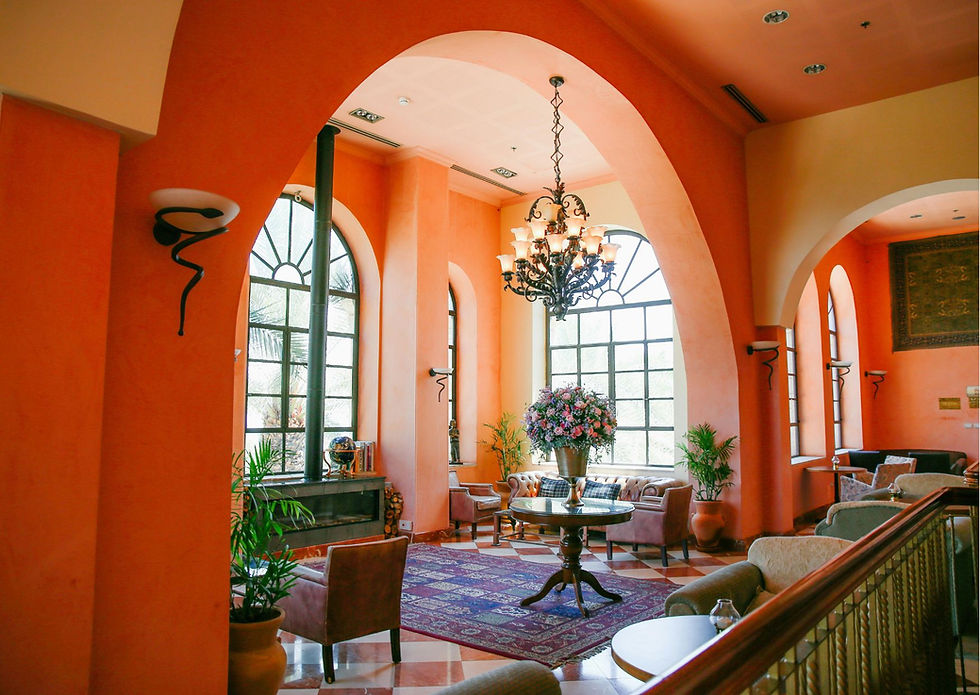
Of all the qualities that define an authentic Victorian home interior, the one most easily overlooked — and most immediately transformative when it's added — is the presence of living things. Flowers in every room. Ferns on the windowsill. An aspidistra in the corner. A jardiniére overflowing in the hallway. The Victorian interior was never a sealed, static environment: it breathed, it grew, it changed with the seasons. And that quality of aliveness is something that no amount of furniture, paint, or wallpaper can substitute for.
The Victorian relationship with the natural world was one of the defining cultural preoccupations of the era. This was the age of Darwin, of Kew Gardens, of the great plant-hunting expeditions that brought exotic species back from India, China, Australia, and the Americas to an increasingly curious and affluent British public. Botany was not merely a science — it was a passion, a pastime, and a form of social display. To have a well-tended, generously planted interior was to signal education, taste, and an engagement with the wider world that was deeply important to the Victorian sensibility.
The Victorian Love of Flowers — Variety, Arrangement, and Meaning
Fresh flowers were a constant and considered presence throughout the Victorian home — not as occasional decoration, but as a regular and meaningful feature of every principal room. The Victorians invested heavily in the language of flowers: the Victorian floriography tradition assigned specific meanings to individual blooms, and the choice of flowers for a room or a bouquet was understood as a form of communication as much as decoration.
The flowers most favored in the Victorian interior reflected both the era's horticultural ambitions and its aesthetic preferences. Long-stemmed roses — particularly the full, blowsy varieties with a high petal count — were prized above almost all others, and the deep, velvety reds, rich pinks, and warm creams of Victorian rose breeding remain the flowers most naturally at home in a period interior today.
Hydrangeas, with their voluminous heads and tendency to dry beautifully in situ, were another favorite: a large dried hydrangea head in a glass vase is one of the simplest and most effective gestures toward Victorian style available to a modern homeowner. Magnolias, with their sculptural forms and creamy, waxy petals, suited the Victorian love of drama and botanical specificity. Dahlias, sweet peas, peonies, and foxgloves all feature prominently in the Victorian horticultural tradition.
Indoor Plants and the Victorian Passion for Horticulture
Where flowers provided the color and fragrance of the Victorian interior, indoor plants provided its permanent green structure. The Victorians were enthusiastic and knowledgeable indoor gardeners, and their plant choices were both a practical response to the conditions of the Victorian interior and an expression of the era's broader botanical enthusiasm.
The aspidistra — the plant so beloved of the Victorian parlor that it became a cultural shorthand for respectable middle-class domesticity — was prized above all for its extraordinary tolerance of low light, coal-dust, and the general atmospheric unpleasantness of the Victorian interior. Its broad, dark green leaves and compact form suited the corner of a drawing room or the shade of a hallway perfectly, and it remains one of the most characterful and low-maintenance choices for a Victorian-inspired interior today.
Ferns were equally popular, and for similar reasons: their tolerance of low light and humid conditions made them ideal for the Victorian interior, while their delicate, architectural fronds introduced a quality of fine botanical detail that the Victorians found irresistible. Boston ferns, maidenhair ferns, and the dramatic tree fern were all cultivated indoors with enthusiasm. Displayed on stands, on window ledges, or in purpose-made ferneries and Wardian cases — the sealed glass cases developed in the Victorian era specifically for growing delicate ferns in polluted urban air — they brought a quality of living texture into the room that no other plant quite replicates.
Palms — particularly the parlour palm and the kentia — were another staple of the grander Victorian interior, their arching fronds filling corners and alcoves with a tropical exuberance that spoke directly to the era's love of the exotic and the far-travelled. A large kentia palm in a decorative ceramic pot remains one of the single most effective ways to introduce the Victorian atmosphere into a contemporary interior.
Beyond these staples, the Victorian indoor garden extended to climbing plants trained up frames and trellis panels, cyclamen and primulas on windowsills, seasonal bulbs forced into bloom on kitchen tables, and collections of succulents and cacti — brought back from plant-hunting expeditions and displayed in terracotta pots on conservatory shelves. The variety and abundance of Victorian indoor planting was a direct expression of the era's curiosity and acquisitiveness, and it's an aspect of the style that translates with remarkable directness into a 21st-century interior.
The Victorian Conservatory and Garden Room — Bridging Interior and Exterior
No discussion of plants and the Victorian interior is complete without the conservatory — one of the era's great architectural and horticultural contributions to domestic life. The Victorian conservatory was made possible by the same plate glass technology that enabled large sash windows, combined with the development of cast iron glazing bars that could support expansive glass structures without the heavy masonry required previously. The result was a new kind of room: one that was simultaneously indoors and outdoors, filled with natural light, warm enough for tender plants, and suffused with the fragrance of growing things.
The Victorian conservatory was used for far more than plant storage. It was a room for sitting in, for reading, for informal meals, and for entertaining — a transitional space between the formal interior and the garden that had a quality of light and life quite unlike any other room in the house. Many Victorian properties retain their original conservatories, and even where these have been lost, the addition of a glazed garden room or orangery is among the most sympathetic extensions available to a Victorian property.
For a modern Victorian interior, a conservatory or garden room — even a modest lean-to glazed structure — provides the perfect setting for the more exuberant planting that might overwhelm a principal room: large palms, climbing jasmine and passionflower, banks of ferns, rows of terracotta pots. It also solves the light problem inherent in many Victorian terraced houses, where the rear of the property can be surprisingly dark: a glazed rear extension floods the adjoining kitchen or living space with natural light while providing a humid, plant-friendly environment that allows the Victorian love of indoor horticulture its fullest possible expression.
Seasonal Rhythm and the Living Victorian Interior
One of the qualities that most distinguishes an authentically Victorian approach to interior planting from a more static, decorative one is its responsiveness to the seasons. The Victorian interior changed through the year: spring bulbs on the windowsills as the days lengthened, summer roses and garden flowers brought indoors in abundance, autumn dahlias and dried hydrangeas as the light changed, winter berries and evergreen branches on the mantelpiece for the Christmas period.
This seasonal rhythm — the sense that the interior reflects and celebrates what is happening outside — is one of the most accessible and rewarding aspects of the Victorian approach to bring into a contemporary home. It requires no particular budget and no specialist knowledge: a handful of daffodils from a market stall in March, a jug of sweet peas on the kitchen table in July, a bowl of quinces and rosehips in October. Each of these gestures, small in itself, contributes to the quality of aliveness that defines the Victorian interior at its best — and that no amount of static decoration, however beautiful, can replicate.
Modern Victorian — Blending Old and New
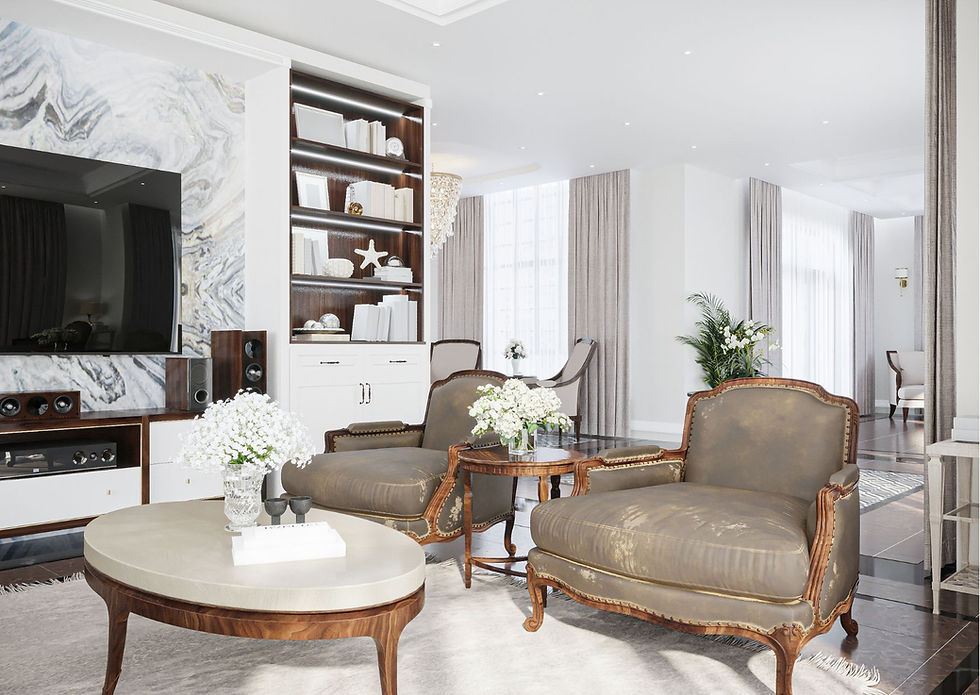
There is a version of Victorian interior design that nobody actually wants to live in: a room so scrupulously period-correct that it feels like a museum exhibit, where every object must be authenticated, every paint color cross-referenced against an 1880s manufacturer's catalogue, and any piece of furniture made after 1901 is treated as a category error. This approach mistakes historical accuracy for good interior design, and it produces spaces that are impressive to photograph and uncomfortable to inhabit.
The Victorian interiors that genuinely work today — the ones that feel warm, personal, and alive — are almost never reconstructions. They are conversations. They place the present in dialogue with the past, using the period's extraordinary architectural and decorative language as a foundation while remaining entirely honest about the fact that the people living in them are doing so in the 21st century. That honesty, far from undermining the period quality of these spaces, is precisely what gives them their vitality.
Why Victorian Style Welcomes Contemporary Elements
Understanding why Victorian design absorbs contemporary elements so naturally requires going back to the style's original character. Victorian interiors were not the product of a single coherent design philosophy imposed from above — they were the accumulation of many overlapping influences: Gothic Revival, Italianate, Aesthetic Movement, Arts and Crafts, Japanese, and classical, all coexisting within a single household and sometimes within a single room. The Victorian interior was eclectic by nature, not by accident. It was always a mix.
This means that introducing a contemporary sofa, a mid-century armchair, or a piece of abstract art into a Victorian room is not a violation of the style's principles — it is, in a very real sense, a continuation of them. The Victorians themselves were not purists. They mixed freely across periods, cultures, and design traditions, and the best Victorian house interiors of today honor that spirit of open, curious, confident mixing rather than retreating into a narrowly defined period pastiche.
The practical implication is liberating: you are not obliged to source every piece of furniture from the 19th century. You are not required to banish your television, your contemporary kitchen, or your clean-lined bathroom. What you are asked to do is make considered choices — to ensure that what you introduce into a Victorian space is there for a reason, selected with care, and placed with an awareness of how it relates to what surrounds it.
The Case for Contemporary Contrast

Some of the most successful Victorian house interiors in recent years have been those that make the contrast between old and new explicit and deliberate, rather than trying to blend the two seamlessly. A stripped Victorian brick wall as the backdrop for a gallery of contemporary abstract prints. A cast iron fireplace with an original encaustic tile surround beneath a flat-screen television mounted without apology. A sleek, handle less kitchen in pale timber and matte white opening directly off a Victorian reception room with its original cornicing and ceiling rose intact overhead.
These combinations work not despite their contrast but because of it. The rawness or simplicity of the contemporary element throws the richness and craft of the Victorian architecture into sharper relief. The ornate plasterwork overhead becomes more beautiful when the room below it is restrained. The original fireplace asserts itself more powerfully when the furniture around it doesn't compete. Contrast, handled with confidence, is one of the most effective tools available to anyone working with a Victorian property — and it has the significant practical advantage of being far less expensive than attempting a full period restoration.
Several of the most cited Victorian house renovations in design publications illustrate this principle directly. Design duo Salvesen Graham reunited a Victorian house that had been carved into bedsits, bringing it back to life as a contemporary family home in which modern, playful furniture sits comfortably against traditional architectural bones. Retrovirus, the design practice specializing in reclaimed materials, has created Victorian interiors where exposed brickwork, raw plaster, and salvaged industrial pieces sit alongside original Victorian timber and ironwork — spaces that are neither period reconstructions nor simply modern rooms, but something more interesting than either.
Small Touches That Make a Big Difference
Not every expression of Victorian inspired design requires structural work, major investment, or a complete room redesign. Some of the most effective interventions are modest in scale but significant in impact — small gestures that shift a room's register toward the Victorian without replacing everything in it.
Reinstating a dado rail in a room that has lost one costs very little but immediately introduces the visual logic of the tripartite wall. Adding a ceiling rose around an existing pendant light — a straightforward DIY task with a plaster or resin reproduction rose — gives a room its period focal point overhead. Painting woodwork in a heritage tone rather than brilliant white changes the entire character of the architectural detail. Replacing a modern door handle or light switch plate with a period-appropriate brass fitting is a detail that most visitors won't consciously notice but will register in the overall quality of the space.
In furniture terms, a single strong Victorian piece introduced into an otherwise contemporary room can anchor the whole space in a way that a dozen smaller gestures cannot. A large gilt-framed mirror above a fireplace. A button-backed armchair reupholstered in a William Morris print. A Victorian roll-top desk in a home office. A brass bedstead in a bedroom that is otherwise simply and contemporarily furnished. These pieces carry enough period weight to establish the room's conversation with the past without requiring everything else in the room to follow suit.
The principle underlying all of these choices is the same one that governs the larger decisions: intentionality. A Victorian room that works — whether it's a full period restoration, a bold contemporary contrast, or a modest series of period gestures woven into a modern interior — always feels as though someone thought carefully about every element in it. That quality of considered attention, more than any specific object or color choice, is the truest expression of what Victorian interior design has always been about.
Where to Source Victorian Pieces and Period Details
Building a modern Victorian interior is made considerably easier by knowing where to look. For furniture, the most reliable sources remain auction houses — both the major London rooms and regional equivalents — where Victorian pieces appear regularly and at prices that reward patient, informed buying. Online auction platforms have dramatically widened access to Victorian furniture beyond those who can attend sales in person.
Architectural salvage yards and reclamation dealers are the best sources for period fixtures and fittings: fireplaces, tiles, doors, stained glass, radiators, and ironwork. The Decorative Art and Antiques Fair at Battersea, referenced throughout design literature on Victorian interiors, is among the best regular markets for Victorian furniture, textiles, and decorative objects in the UK.
For reproduction period details — ceiling roses, cornicing, dado rails, encaustic tiles, Victorian-style light fittings, and cast iron fireplace surrounds — a now well-established specialist industry exists to supply them. Brands including Farrow & Ball, Little Greene, and Edward Bulmer Natural Paint cover heritage colour requirements.
For wallpaper, Morris & Co. continues to produce William Morris's original designs alongside contemporary interpretations. For lighting, a range of manufacturers produce period-appropriate pendant, wall, and table fittings at accessible price points. None of these require significant expenditure to use well — a single ceiling rose, a tin of heritage paint, and a roll of botanical wallpaper on one wall can shift a room's character more than a complete furniture replacement.
Conclusion
Victorian house interior design is, at its heart, about creating spaces that feel rich with personality, history, and warmth. It's an approach to decorating that rewards curiosity — hunting for the perfect antique piece, restoring an original fireplace, choosing a wallpaper that feels both of-the-moment and timelessly elegant.
What makes Victorian style interiors so enduring is their flexibility. Whether you're working with an original terraced house full of period features, a rural Victorian cottage, or a modern property where you want to introduce some Victorian warmth and character, the principles are the same: layer with confidence, choose quality over quantity, embrace pattern and texture, and never underestimate the power of an ornate fireplace or a beautiful light fitting.
The Victorian period was defined by its spirit of discovery and its love of beauty — and that's a philosophy that translates effortlessly into contemporary home design. Start with the bones, build your layers, and don't be afraid to mix the old with the new. Your Victorian home interior awaits.
Frequently Asked Questions About Victorian Interior Design
What colors are used in Victorian interior design?
Victorian interiors typically feature rich, saturated jewel tones — deep greens, burgundies, navy blues, and warm golds — as well as heritage neutrals like cream, terracotta, and warm stone. The key is depth and richness rather than brightness or minimalism.
What is the difference between Victorian and Edwardian interior design?
Victorian interiors tend to be darker, more ornate, and more heavily layered, while Edwardian design was lighter, airier, and began to incorporate Arts and Crafts influences more prominently. Edwardian homes often have higher ceilings and larger windows.
Can Victorian interior design work in a modern home?
Absolutely. Victorian inspired design translates beautifully into contemporary properties. Key elements — ornate lighting, rich textiles, period-style fireplaces, wooden panelling — can be incorporated into any home to create a sense of Victorian warmth and character.
What furniture styles suit a Victorian home?
Victorian furnishings — button-backed chairs, roll-top desks, carved dining tables, iron bedsteads — are widely available second-hand and antique. They can be mixed confidently with modern pieces for an eclectic, layered look.
How do I make a Victorian house feel brighter and more modern?
Large sash windows, mirrors, and reflective surfaces (chandeliers, stained glass) were all Victorian tools for maximising light. Adding a glazed extension or conservatory is in keeping with the period and dramatically increases natural light. Contemporary colour palettes — soft greens, warm whites, dusty pinks — can also modernise a Victorian space without losing its character.
What flooring is appropriate for a Victorian house interior?
Original or reproduction encaustic tiles are ideal for hallways. Original floorboards, stained or left natural, suit living rooms and bedrooms. Parquet flooring is another characteristically Victorian option, particularly for reception rooms.


mình có lần lướt đọc mấy trao đổi trên mạng شيخ روحاني thì thấy nhắc nên cũng tò mò mở ra xem thử cho biết. mình không tìm hiểu sâu chỉ xem qua trong thời gian ngắn để quan sát bố cục cách sắp xếp جلب الحبيب các mục và trình bày nội جلب الحبيب dung tổng thể. cảm giác là các phần được trình bày khá gọn, các hurentest berlin mục rõ ràng Huren Berlin nên đọc lướt cũng không bị rối với mình như vậy là đủ để nắm tin cơ bản rồi. جلب الحبيب
👍
A beautiful guide to bringing Victorian character into a home while keeping the overall design timeless and inviting. When collecting decorating ideas and measurements by hand, a handwritten notes to text converter can make those notes much easier to organize later.
Lisa, your insights into Victorian interior design are fascinating! I'm curious—how do you think the elegance of these styles can influence modern living spaces? Also, any tips for balancing vintage with functional elements like those from monkey mart?
mình có lần lướt đọc mấy trao đổi trên mạng شيخ روحاني thì thấy nhắc nên cũng tò mò mở ra xem thử cho biết. mình không tìm hiểu sâu chỉ xem qua trong thời gian ngắn để quan sát bố cục cách sắp xếp جلب الحبيب các mục và trình bày nội جلب الحبيب dung tổng thể. cảm giác là các phần được trình bày khá gọn, các hurentest berlin mục rõ ràng Huren Berlin nên đọc lướt cũng không bị rối với mình như vậy là đủ để nắm tin cơ bản rồi. جلب الحبيب
👍
This guide beautifully articulates how Victorian interiors, despite their maximalist nature, offer incredible versatility. The idea of them being "Georgian in proportion but with a load of icing on top" truly captures the essence of how classic structure meets exuberant decoration. It's fascinating how this eclecticism allows for mixing old and new, almost like an infinite craft of design possibilities. I'm curious if readers find it challenging to balance the ornate details with modern elements without overwhelming a space.